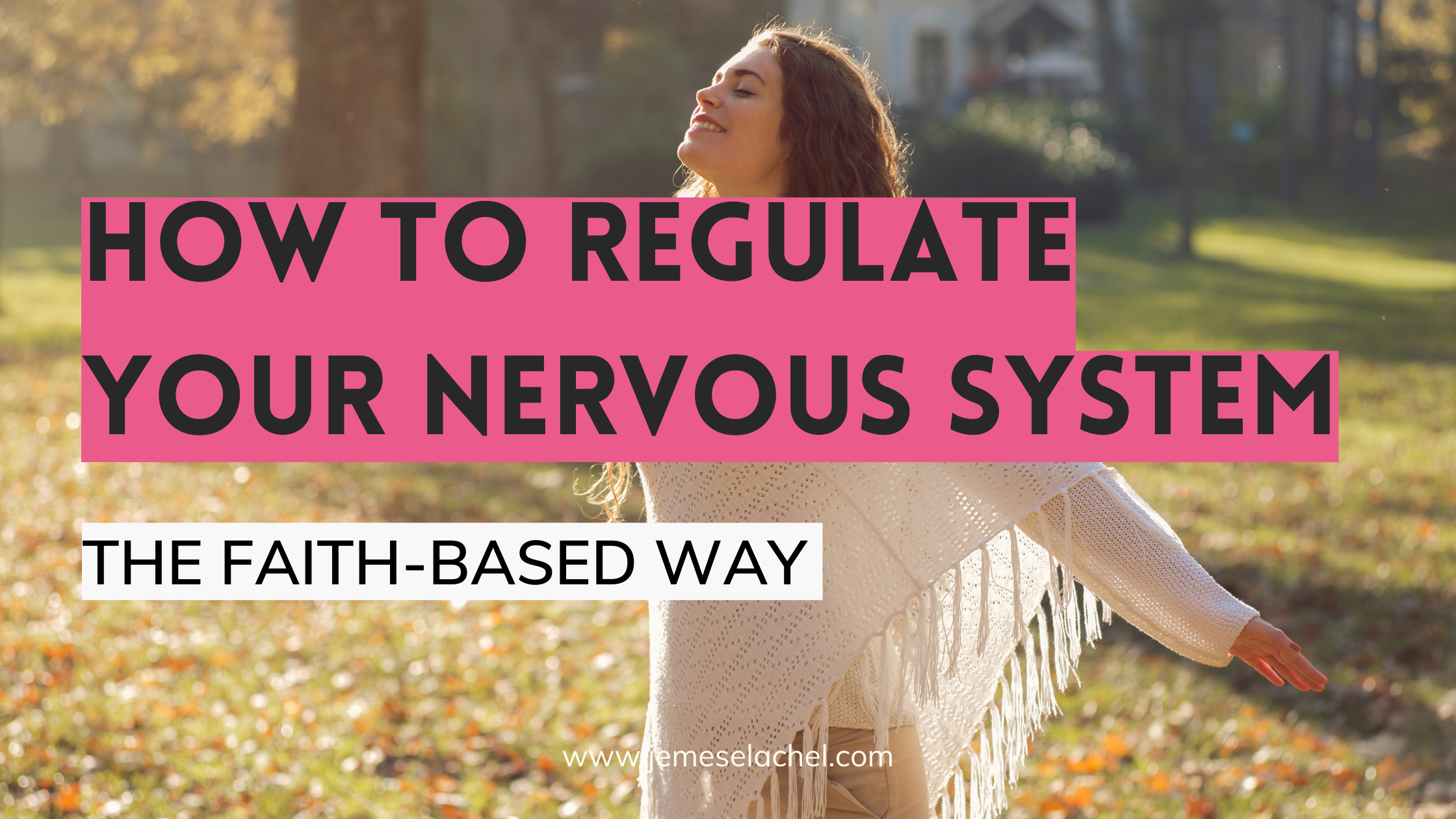
Ready to explore how your nervous system connects with your walk with Christ?
God designed your body with deep intention, including your nervous system. It is not separate from your faith, but part of how you experience His peace, His presence, and His strength each day. Scripture reminds us that God offers a peace that surpasses all understanding, a peace that guards both our hearts and our minds in Christ Jesus (Philippians 4:7). That peace is not only spiritual, but something your body can experience as you learn to rest in Him.
Keep reading to learn how to align your faith with practical nervous system support so you can experience greater calm, resilience, and deeper connection with God in your everyday life.
Understanding the Nervous System
The nervous system is our body’s command center, intricately designed by God to manage our responses to the world around us. It comprises two primary branches: the sympathetic nervous system (SNS) and the parasympathetic nervous system (PNS).
Sympathetic Nervous System (SNS): This is your “fight or flight” system. It turns on when your body thinks you are in danger, increasing your heart rate, alertness, and energy so you can respond quickly.
Parasympathetic Nervous System (PNS): This is your “rest and digest” system. It helps your body slow down, relax, and recover by lowering your heart rate and supporting digestion.

10 Signs You’re Operating from an ACTIVATED SYMPATHETIC Nervous System STATE
2. Rapid Breathing: Breathing feels quick, shallow, or hard to settle.
3. Muscle Tension: Experiencing muscle tightness, especially in the shoulders, neck, or jaw.
4. Sweating: Noticing increased perspiration without physical exertion.
5. Restlessness: Feeling jittery, unable to sit still or relax.
6. Hypervigilance: Being overly alert and easily startled.
7. Irritability: Lower tolerance for noise, interruptions, or small demands on your attention.
8. Digestive Issues: Feeling nausea, butterflies in the stomach, or digestive disturbances.
9. Dry Mouth: Noticeable dryness or tightness in the throat.
10. Tunnel Vision: Focusing narrowly on threats or problems, unable to see the bigger picture.

Faith-based Stress Relief:
10 ways to regulate your nervous system
Peace, from a Christian perspective, is not something we manufacture. It’s rooted in the person of Jesus Christ. Scripture is clear: He is our rest and restoration (Matthew 11:28–30).
At the same time, God also calls us to be wise stewards of our bodies. We’re to view our bodies as temples of the Holy Spirit (1 Corinthians 6:19–20), which means we don’t just tend to our spiritual lives, but we also care for how our bodies function, including the nervous system and its stress response.
If you need practical support shifting from an activated sympathetic state into a parasympathetic state, here are simple, grounded tools from a Christian perspective:
- Deep Breathing: You’ve probably of techniques like box breathing or structured counting patterns, but in the middle of a high-stress moment, you’re need something you can actually use instead of some complex formula. So, keep it simple: extend your exhale longer than your inhale. That’s it! For example, inhale for a count of 5 and exhale through your mouth for 6. The exact numbers are flexible; the key principle is a longer exhale. This shift signals safety to your nervous system, helping to reduce heart rate and activate the body’s natural parasympathetic (rest-and-recovery) response.
- Prayer: Prayer is a powerful tool for regulating the nervous system. Scripture encourages us to pray without ceasing, knowing that God hears our cries and brings comfort in times of distress (1 Thessalonians 5:17; Psalm 34:17-18). Prayer shifts your focus from internal pressure and anxieties to God’s sovereignty, which reduces mental overwhelm, calms emotional reactivity, and supports overall nervous system regulation.
- Progressive Muscle Relaxation: Tense and then release each muscle group from head to toe. This technique helps release physical tension by systematically tensing and relaxing muscles, promoting overall relaxation. This exercise supports nervous system regulation by reducing muscle tightness, lowering physical stress load, and signaling the body to move out of a fight-or-flight state into relaxation.
- Imagine Yourself at the Feet of Jesus:
- Speak Scripture-Based Affirmations: Repeat Scripture-based declarations or confessions to reinforce faith and calm your mind. The key difference between this and New Age or New Thought is that you are not trying to create your own reality; you are speaking God’s already-established truth. The psalmist says, “His praise shall continually be in my mouth” (Psalm 34:1), and Ephesians 4:29 reminds us, “Let no corrupting talk come out of your mouths, but only such as is good for building up… that it may give grace to those who hear.” You are both the speaker and the listener, so it matters that you hear truth yourself—especially when fear, anxiety, trauma, or a heightened nervous system is trying to speak louder. Declaring God’s promises brings strength, steadiness, and reassurance in challenging moments. This practice helps interrupt anxious thought loops, reduce cognitive overload, and support regulation of the stress response in both the brain and nervous system.
-
Chew Gum: Chewing gum has been shown in some studies to reduce perceived stress and may help lower cortisol levels in certain situations*. The repetitive chewing motion provides rhythmic sensory input that can help regulate the stress response, reduce mental rumination, and gently support a shift toward a more calm, focused state.
- Sip Warm Tea: Drink a warm, caffeine-free herbal tea like chamomile or peppermint when you feel overwhelmed or overstimulated. This is a simple, practical way to slow your system down and take a pause. The warmth can help your body relax, reduces physical tension, and supports your parasympathetic nervous system so your body can shift out of stress mode and settle.
- Counting Exercises: When your mind is racing or you feel stuck, slowly count forward or backward to regain control of your attention. This is not about the counting, t’s about interrupting the spiral. It helps break anxious thought loops, reduces mental overload, and brings your nervous system back into a more regulated, present state.
- ABC Names of God: This is my all-time favorite and honestly could have been number one. Go through the alphabet and declare who God is—His names, His character, and His attributes (A: God, You are Awesome; B: You are Beautiful; C: You are Creator, D: God You’re Divine, etc). This simple exercise helps shift your focus from stress to Truth while strengthening spiritual awareness. Do this routinely to not only bring a sense of peace and steadiness to your mind and body, helping you move into a more regulated, present state, but also do what we were born to do: Worship Jesus. It’s a win win.
- Stretching: This oe is a no brainer, but try performing gentle stretches to release tension in the body, focusing on areas like the neck, shoulders, and back. Stretching promotes physical relaxation and can alleviate muscular tightness caused by stress.
Conclusion
Sources:
- Stress and Health Journal (2019), randomized controlled trial on chewing gum and stress reduction.
- Frontiers in Psychology (2022), meta-analysis on gum chewing and anxiety/stress outcomes.
Author Bio:

Jemese LaChel is a board-licensed, Spirit-filled Christian Trauma Therapist and Faith Mentor based in Mid-Missouri. She is passionate about helping women overcome sexual trauma and navigate marital hardships through a Holy Spirit-led approach. Jemese specializes in biblical counseling and trauma therapy, empowering women to regain their lives and strengthen their faith. She is the founder of Grace Abides Christian Counseling where she offers personalized counseling services and online courses. Follow her journey and gain more insights into faith-based healing on her Instagram.